
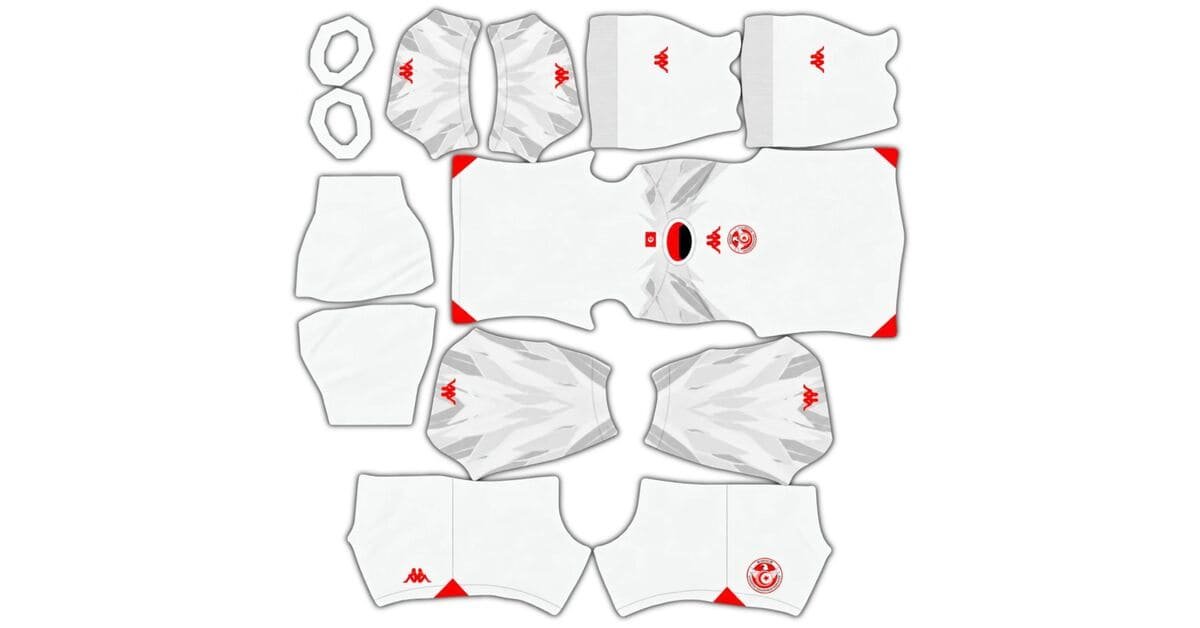
A Tunisia DLS kits URL is a direct link to a 512×512 PNG of an Eagles of Carthage shirt that you can import into Dream League Soccer. Below, you’ll find the kit slots for building your Tunisia team, with the images intended for use in the game.
Tunisia Logo
Official Logo 512×512 (2026/27)
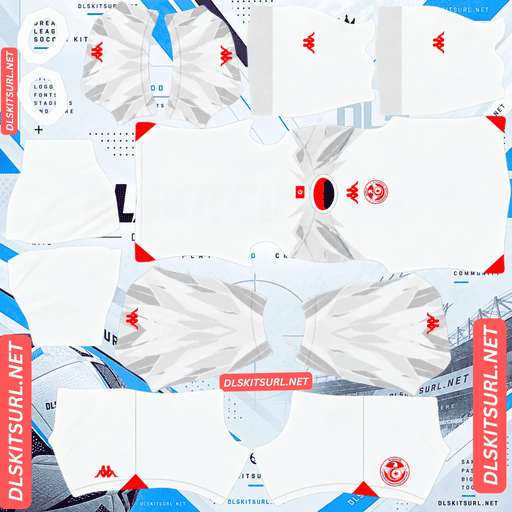
Tunisia Home Kit
Home Kit 512×512 (2026/27)
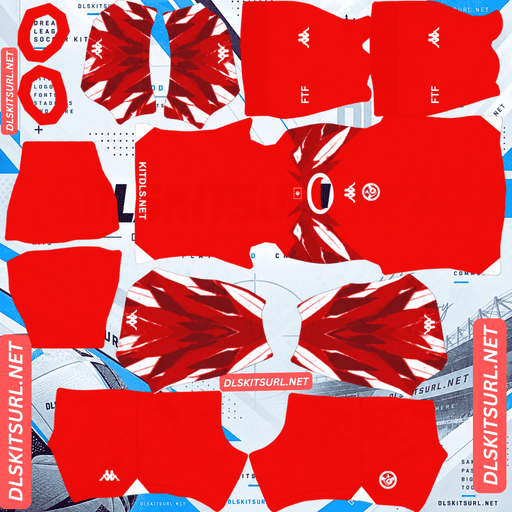
Tunisia Away Kit
Away Kit 512×512 (2026/27)
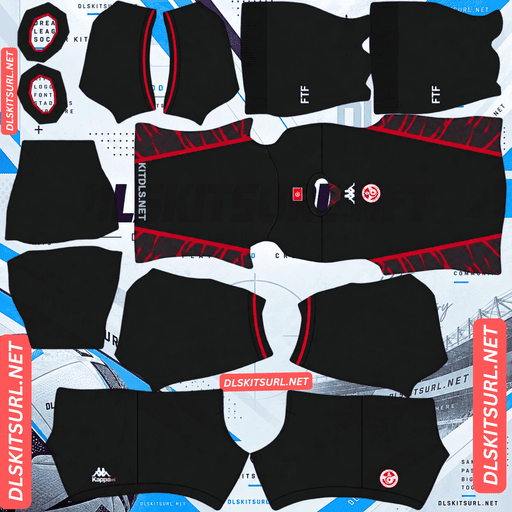
Tunisia Third Kit
Third Kit 512×512 (2026/27)
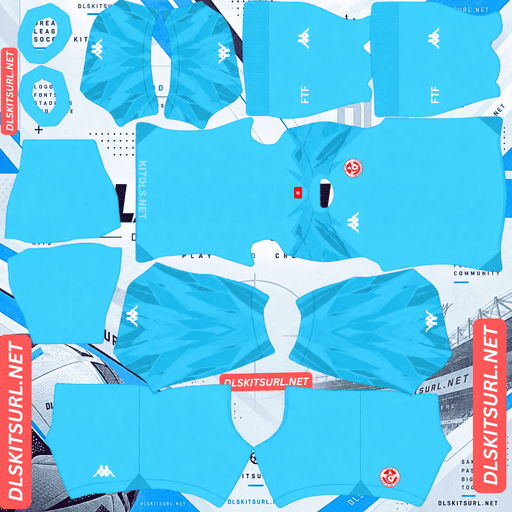
Tunisia GK Home Kit
Home GK Kit 512×512 (2026/27)
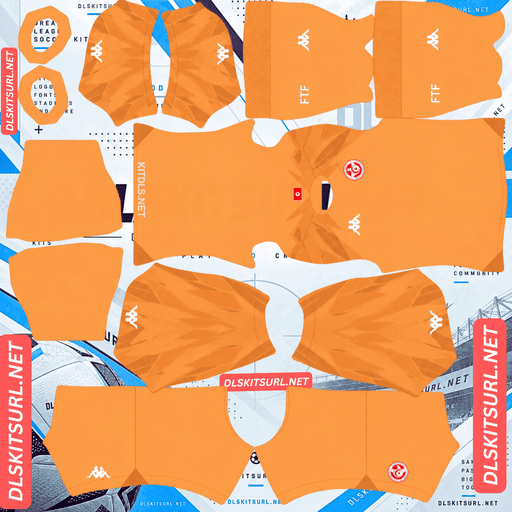
Tunisia GK Away Kit
Away GK Kit 512×512 (2026/27)
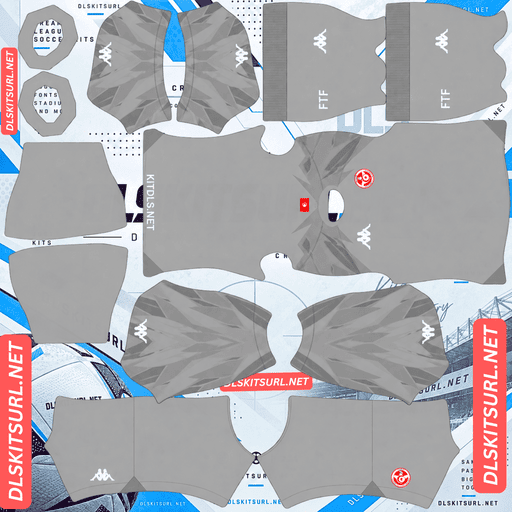
Tunisia GK Third Kit
Third GK Kit 512×512 (2026/27)
Kappa has built Tunisia’s main shirts around the same eagle-feather design, using the same placement and template but swapping the colours. That makes the home and away kits easy to compare — and reveals why one version preserves the signature pattern much better in Dream League Soccer.
The Eagle Feathers and Where They Appear
Tunisia’s 2026 World Cup kit collection was released on 28 May 2026, according to the supplied details. The shirts use Kappa’s Kombat Pro template and draw inspiration from the country’s defining national symbol: the Eagle of Carthage, which also gives the national team its nickname.
Home Kit: White With Red Details
The home shirt features a crisp white base with red accents around the collar and hem. Subtle tonal eagle-feather graphics extend across the shoulders and sleeves, adding texture without changing the shirt’s traditional appearance.
The combination of white and red reflects the colours of the Tunisian flag and has long been associated with the national team.
For DLS players, the main challenge is preserving the delicate feather graphics against the white background.
Away Kit: The Same Design in Reverse
The away shirt uses the same template and feather pattern as the home version, but reverses the colour arrangement.
A vibrant red base replaces the white, while white accents provide contrast around the shirt. The eagle-feather graphics remain in the same locations across the shoulders and sleeves.
The design itself has not changed, but the background colour makes a significant difference when the shirt is converted into a 512×512 image.
Why the Away Kit Shows the Feathers Better
If the eagle-feather pattern is the main reason you want Tunisia’s new kits, the red away shirt is the stronger option to build your team around.
The home kit uses tonal feathers on white. Tonal graphics rely on different shades of the same colour rather than a contrasting colour. Against a white background, the differences can be extremely subtle. When the image is resized and displayed on a player during a match, the feather texture may almost disappear.
The away kit uses tonal feathers on red. The pattern can retain more visible variation when lighter or darker red shades contrast with the base colour. This gives the image more detail for compression and in-game rendering to preserve.
The white home shirt remains the more traditional look, but the red away version is better suited to displaying the signature feather design in DLS.
The same general issue can affect other kits that use low-contrast animal graphics on light backgrounds. The pattern may be visible on the original fabric but difficult to reproduce clearly in a small image.
The Feather Pattern Occupies a Difficult Part of the Template
The colour contrast is only half the challenge. The location of the graphics also matters.
Tunisia’s eagle feathers extend across the shoulders and sleeves, rather than covering the main chest area.
In the Dream League Soccer template, the sleeves are separate zones from the body. They occupy different areas of the 512×512 image and are mapped onto different parts of the player model.
That distinction is especially important for Tunisia because the feather design is one of the collection’s main visual features. If a file reproduces the white or red body correctly but leaves the sleeves plain, it loses much of what makes the shirt distinctive.
Check the sleeves first. Look for visible feather texture on both the shoulders and sleeves before importing the image. A shirt with plain sleeves may still load correctly, but it will not accurately reproduce the described design.
One Kit Can Help You Judge the Other
The home and away shirts share the same pattern and template, making them useful references for one another.
If you find a well-made away image with correctly positioned feather graphics, check whether the same source offers a home version. It may have used the same template and pattern placement for both.
However, inspect the home file separately before importing it. The white background makes subtle graphics harder to evaluate, so a good-looking red version does not automatically guarantee that the white one is equally accurate.
Set the Correct Number Colours
Dream League Soccer does not automatically use the squad-number colours shown in your kit artwork. Instead, the game reads them from two separate colour swatches on the kit template: one for shirt numbers and one for shorts numbers.
For Tunisia’s two main kits, the recommended shirt-number colours are straightforward.
Home Kit Number Colour
The home shirt has a white base with red collar and hem accents.
Recommended shirt number colour: red.
Red matches the shirt’s existing trim and stands out against the white fabric. White numbers on a white shirt would be difficult to read.
Choose a contrasting colour for the shorts numbers based on the shorts included in your imported kit.
Away Kit Number Colour
The away shirt uses a vibrant red base with white accents.
Recommended shirt number colour: white.
White provides strong contrast against the red background and matches the shirt’s other details.
Set the shirt and shorts number swatches separately so both remain readable during gameplay.
Both Tunisia Kits Stand Out on the Pitch
Dream League Soccer displays players relatively small during matches, so colour contrast can make a difference when identifying your team.
Red: The away kit’s vibrant red creates a clear visual distinction from the green playing surface, making the shirt easy to follow during gameplay.
White: The home shirt has a clean, neutral appearance that remains visible against the pitch. Its red trim adds definition without overwhelming the main colour.
Neither kit requires a major compromise between recognisable colours and match visibility. The away version has the additional advantage of showing the eagle-feather pattern more clearly.
These Could Be the Last Kappa Tunisia Kits
The supplier is another detail worth considering if you plan to keep a copy of the collection.
Kappa has supplied Tunisia since late 2018, according to the supplied information, and the 2026 World Cup shirts are part of that partnership.
Reports from Tunisian football media have indicated that the federation has been in advanced discussions with German sportswear brand Jako about potentially becoming the official kit supplier. That reported change should not be treated as confirmed without an official announcement.
The supplied kit details identify the 2026 World Cup collection as Kappa’s, not Jako’s. If the reported supplier change goes ahead, these shirts could mark the end of the Kappa era with Tunisia.
For identifying the current collection, look for Kappa branding alongside the white-and-red home shirt or the red-and-white away design. Branding alone is not enough to authenticate a file, so check the full shirt as well.
The Team You Are Building
Tunisia are known as the Eagles of Carthage and play their home matches at Hammadi Agrebi Stadium in Radès.
The supplied draft places Tunisia at 61st in the FIFA world rankings in October 2026. It also states that the team qualified for the 2026 World Cup on 13 October 2025, completing its CAF Group H campaign without conceding a goal. The latter claim should be verified against reliable tournament records before publication.
Tunisia’s World Cup history stretches back to 1978. The country has appeared at seven tournaments: 1978, 1998, 2002, 2006, 2018, 2022 and 2026. According to the supplied details, Tunisia have exited at the group stage on each occasion.
That history gives the national team a recognisable identity, and the eagle-feather design connects the latest shirts directly to the nickname supporters know.
How to Identify a Current Tunisia DLS Kit
Use these four visual checks to help distinguish the described 2026 collection from older Tunisia shirts.
Kappa branding: Look for Kappa rather than Jako or an older supplier’s logo.
Home kit: A white base with red collar and hem accents, plus eagle-feather graphics across the shoulders and sleeves.
Away kit: A red base with white accents and the same feather design as the home shirt.
Sleeve graphics: Check both sleeves carefully. If they are plain, the image may be missing a key part of the design.
The sleeves deserve particular attention because the feather pattern is one of the defining features of this collection.
How to Use a Tunisia DLS Kits URL
Follow these steps to import a Tunisia custom shirt into Dream League Soccer.
Choose the desired kit card and copy the link using its Copy URL button.
Open Dream League Soccer.
Tap My Club, then select Customise.
Open the Kit section, not Logo.
Select the slot you want to replace: home, away, third or goalkeeper.
Tap Custom Kit.
Press and hold the URL field, then select Paste.
Tap Confirm. Some older game versions may display Download instead.
Select the correct slot before confirming, because the kit currently assigned to that slot will be replaced.
The supplied details indicate that Kappa released a third shirt alongside the home and away kits. This means the three outfield slots can be used for Tunisia’s full collection, leaving the goalkeeper slot available for a goalkeeper design.
The first custom-kit import may require a one-time gem unlock. After that unlock, changing custom kits generally does not require another gem payment.
Test the Tunisia Kit URL First
Before importing the shirt, open the copied link in your browser.
A direct image link should display the PNG by itself, without a webpage surrounding the picture. The address commonly ends in .png when the host provides a conventional direct image URL.
If the link opens an article or image-viewer page with headers, menus or buttons, it may not be the actual image URL. Dream League Soccer needs to access the image file directly.
On a computer, right-click the image and open it in a new tab. Check that it is square and measures 512×512 pixels before importing it.
Testing the exact link first can help you avoid import errors and identify broken URLs before opening the game.
Why Tunisia DLS Kit URLs Stop Working
Custom-kit links can stop working for several reasons.
Free Image Hosts Delete Files
Some free image-hosting services remove uploads after extended periods of inactivity. The original webpage may remain available even after its image has been deleted.
If the direct PNG no longer loads, Dream League Soccer cannot import it from that link.
Hotlink Protection Blocks External Requests
Some hosting services prevent other websites or applications from loading their images directly.
Your browser might display the image when you visit the host, but the game’s request may be rejected because it comes from outside that website. This is why a link can work in a browser yet fail during import.
The Preview and the Direct Image Are Different
Some pages display a thumbnail from one server while their download link points to an image stored elsewhere. If the linked file disappears, the preview can remain visible even though the actual URL no longer works.
Always test the exact URL you plan to paste into DLS. The image shown on the page and the link copied from the kit card should refer to the same intended PNG.
The Tunisia Badge for Dream League Soccer
To import Tunisia’s national-team crest, return to the customisation menu and select Logo instead of Kit.
The Tunisian federation crest features an eagle, connecting the badge to the feather graphics used on the shirts. The eagle’s overall silhouette can remain recognisable at the small size Dream League Soccer uses for team logos.
The game crops badges into a circle, so choose a file with clear space around the complete design. A tightly cropped image may lose parts of the eagle’s wingtips when the circular mask is applied.
Fine feather details may become softer at match distance. This is a normal limitation of displaying a detailed crest at a small size, rather than necessarily indicating a problem with the original file.
Keep Your Tunisia DLS Kits Safe
Custom kits and badges may be stored on your device rather than permanently linked to your account. A routine update may leave them intact, but reinstalling the game or changing phones can mean setting up the images again.
Save your kit links before importing anything.
If the reported supplier change goes ahead, you may also want to keep a record of this Kappa collection for future use. Store the home, away, third and goalkeeper URLs together with your preferred badge link in a notes app or another safe place.
That way, you can restore your Tunisia setup without having to search for every image again.
FAQ
What is a Tunisia DLS kits URL?
A Tunisia DLS kits URL is a direct link to a 512×512 PNG of an Eagles of Carthage shirt that you paste into Dream League Soccer’s Kit section. A working link must open the actual image file rather than a webpage preview.
What do Tunisia’s 2026 World Cup kits look like?
The home shirt has a white base, red collar and hem accents, and subtle eagle-feather graphics on the shoulders and sleeves. The away shirt uses the same design on a vibrant red base with white accents. According to the supplied details, both were released by Kappa on 28 May 2026.
Which Tunisia kit shows the eagle feathers better in DLS?
The red away shirt is the stronger choice for displaying the feather pattern. The graphics are tonal on both shirts, but subtle shades are harder to distinguish against white than against a red background.
Why are the sleeves plain on my Tunisia kit?
The eagle-feather design sits across the shoulders and sleeves, which occupy separate zones on the DLS kit template. A poorly constructed image may reproduce the body correctly while leaving the sleeves blank. Check the sleeve areas before importing the file.
Who makes Tunisia’s kits?
The supplied details identify Kappa as Tunisia’s kit supplier for the 2026 World Cup collection, following a partnership that began in late 2018. Reports have indicated that the federation has discussed a possible future switch to Jako, but that change should be confirmed through an official announcement.
Why is Tunisia called the Eagles of Carthage?
The eagle is a defining symbol associated with the Tunisian national team and appears on the federation crest. The 2026 kit collection references the same identity through its eagle-feather graphics.
What number colour works on the Tunisia home kit?
Red is a suitable choice for the white home shirt because it matches the collar and hem accents while remaining visible against the white base. White numbers on white fabric would be difficult to read.
How many World Cups have Tunisia played in?
The supplied details list seven appearances: 1978, 1998, 2002, 2006, 2018, 2022 and 2026. They also state that Tunisia exited at the group stage at each tournament.